
The term "gamification"
The term "gamification" describes bringing principles and technologies from computer games (gaming) into fields that are not games by nature. This is not unique to architecture; it shows up in many industries, partly because the gaming world has contributed so much to breakthrough technology.
Gaming's influence on industry - an example from Japanese factories
In Japan, for example, there are car factories that have installed colorful digital boards on the floors of the car-body assembly lines, boards that look like the score boards of computer games. This helps motivate workers and makes the work environment more fun and more efficient.
Main aspects of gamification in architecture
Photorealistic visuals
Creating a sense of "immersion" - an experience where the user feels they are in a real world, not an imagined one - depends largely on the level of the visuals. Epic Games' Unreal game engine is a clear example: it allows building complex physical worlds that are realistic in how objects, materials and light behave. This technology was adopted for architecture in Twinmotion, which translates the achievements of gaming into a realistic, innovative design language for project visualizations too.
Developing intuitive interfaces
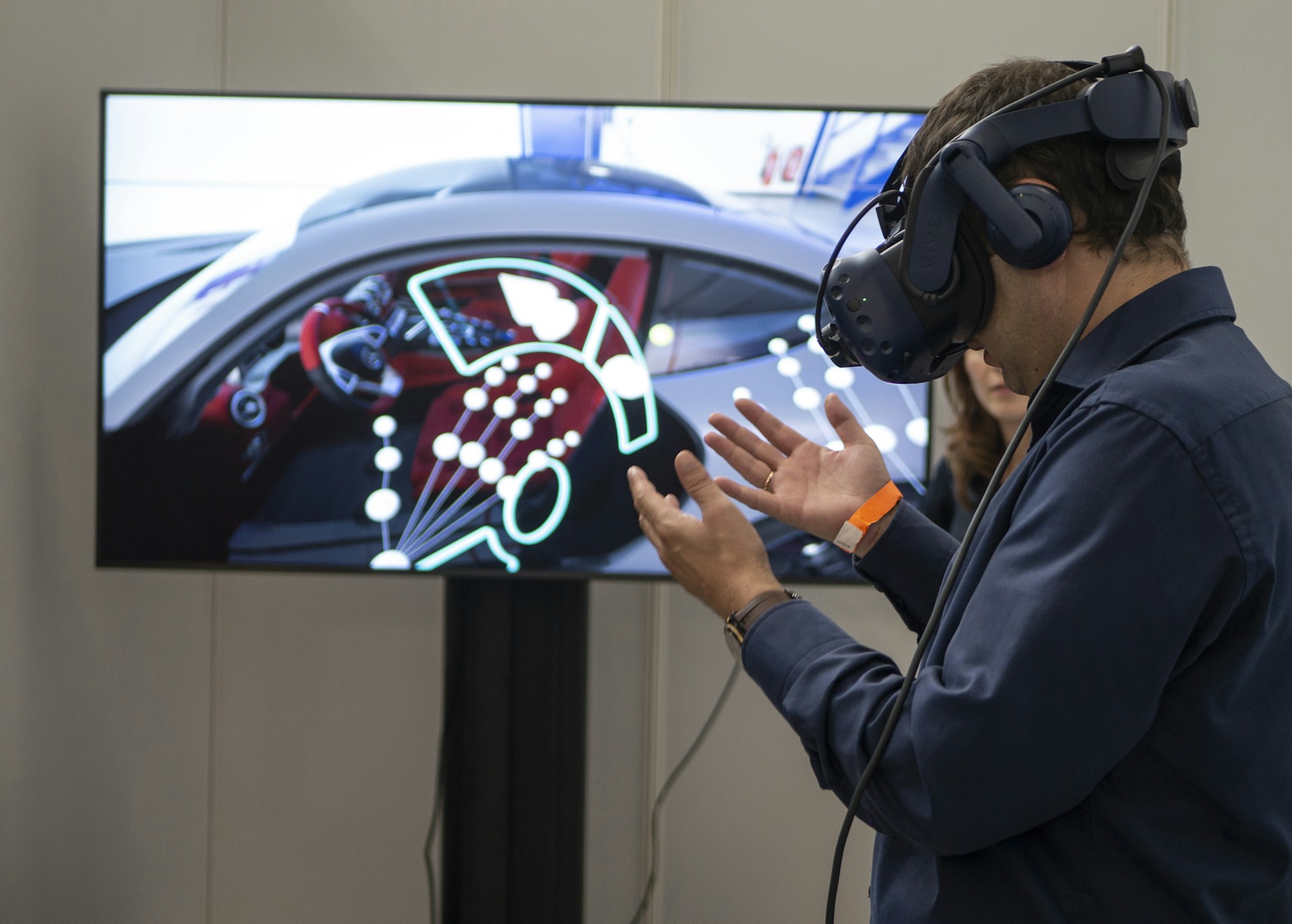
The gaming world has also contributed a lot to user interfaces, which give an interactive experience that engages both the user's senses and emotions, using advanced graphics and intuitive, precise actions. The user interface is the bridge between the person and the creation - whether a game or an architectural project - and it includes tools for precise movement in space and clear, accessible orientation maps.
Telling a story and a narrative
Both gaming and architecture share a central principle of passing on a message or a story. The ability to "tell a story" is an important layer of the gamification tools used in modern architectural design.
Applying gamification in ready-made VR tours
Ready-made VR tours rely heavily on principles from the gaming world, to present the project in the right, most efficient and most engaging way. Adding game-like elements, born in the gaming world and adapted to architecture, directly raises users' motivation and involvement - all without taking anything away from the quality of the design itself.